


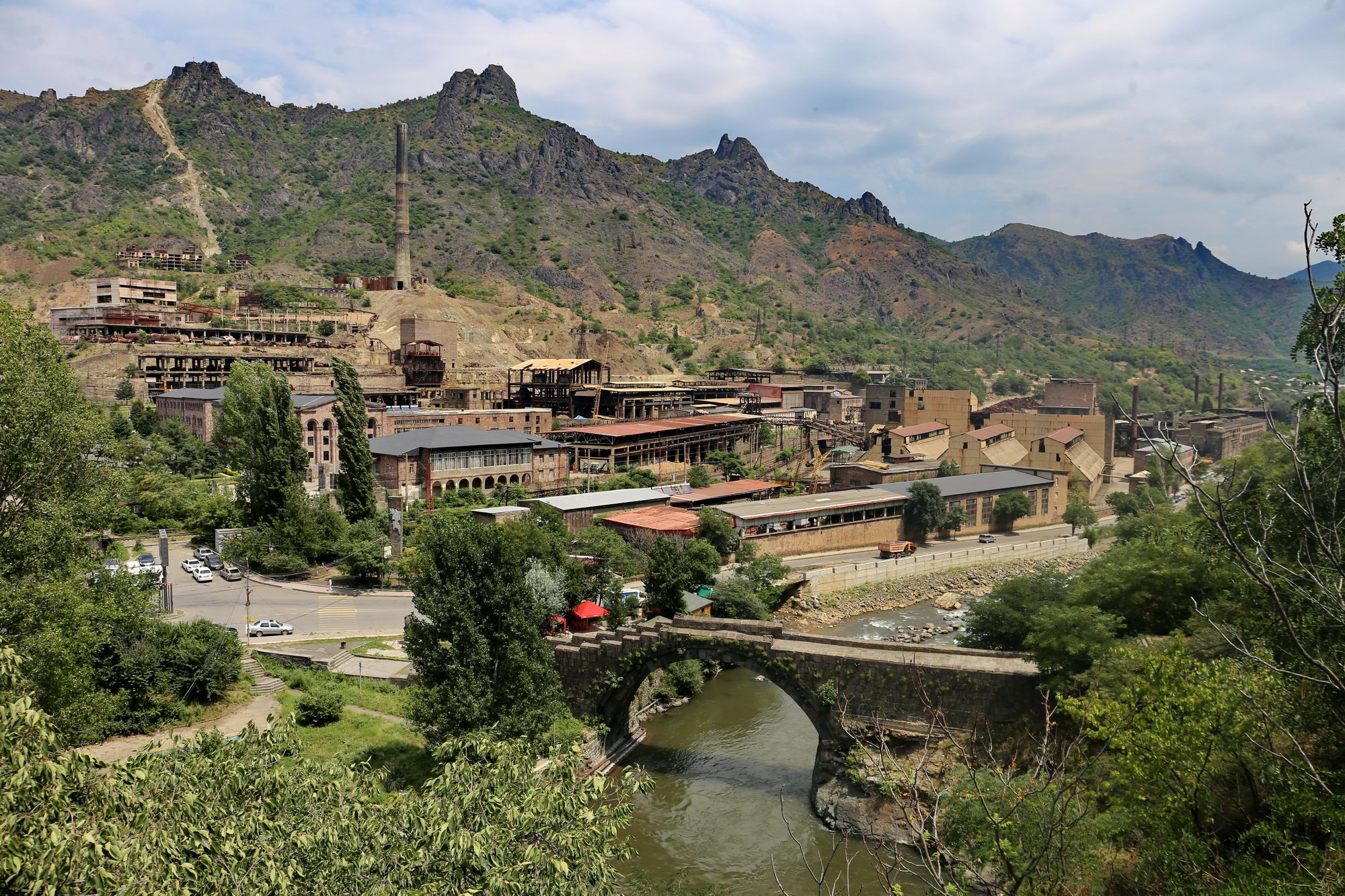
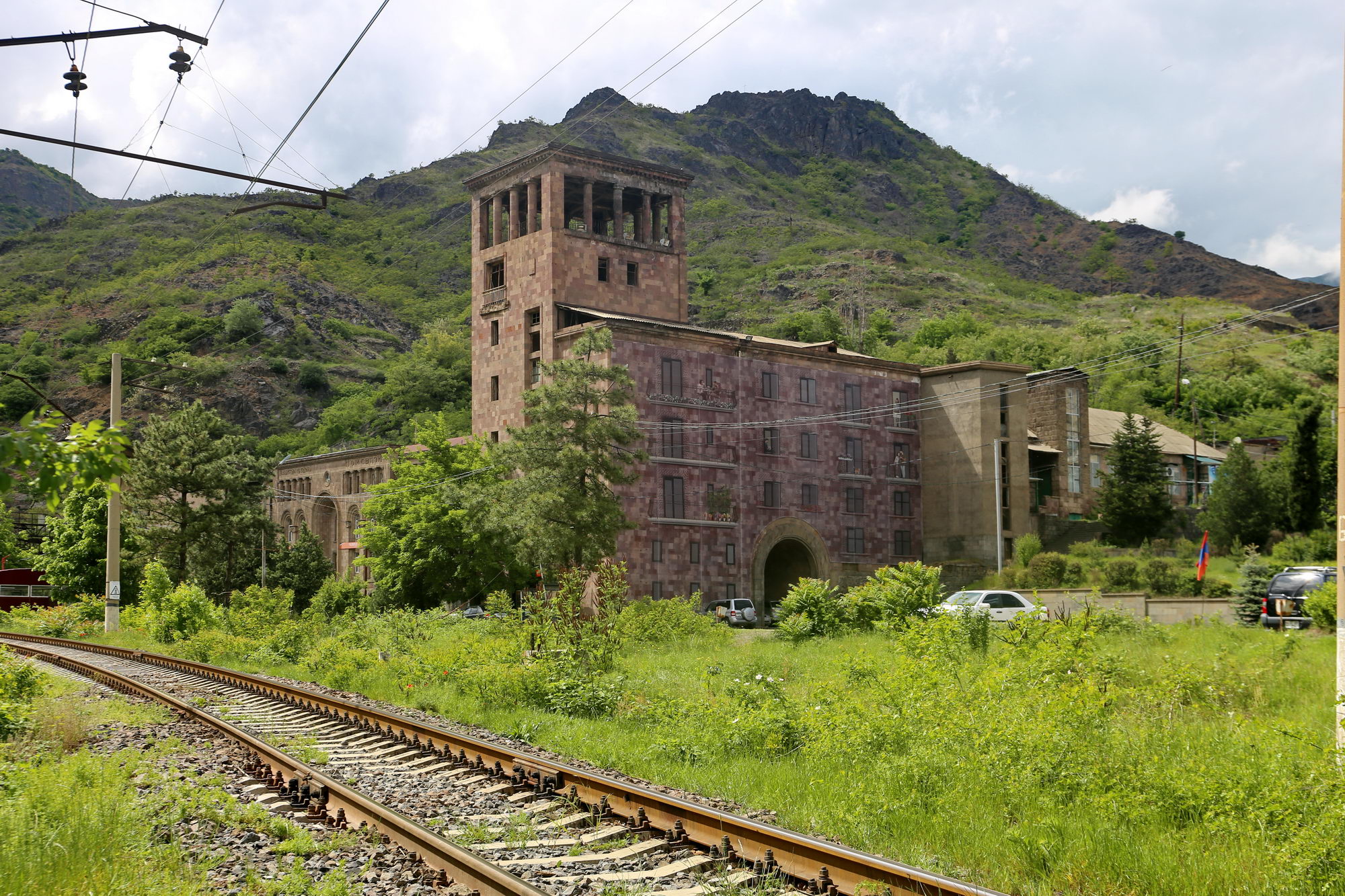
Although, as one approaches the city, the shadows grow denser, with the remains of concrete buildings resembling space stations and four- or five-storey Soviet apartment blocks emerging from nowhere only to disappear back into it again, their balconies still crowded with the entire inventory of everyday life, the view that suddenly unfolds around the bend above Alaverdi is nonetheless startling: the collapsing skeleton of the former copper smelter, stretching from the jagged mountain ridge down to the riverbank, its sprawling structures continuing to accompany the road for kilometres. Once the pride of Socialist Armenia, producing 55,000 tonnes of refined copper annually during the Soviet golden age, today the vast industrial complex stands completely abandoned.
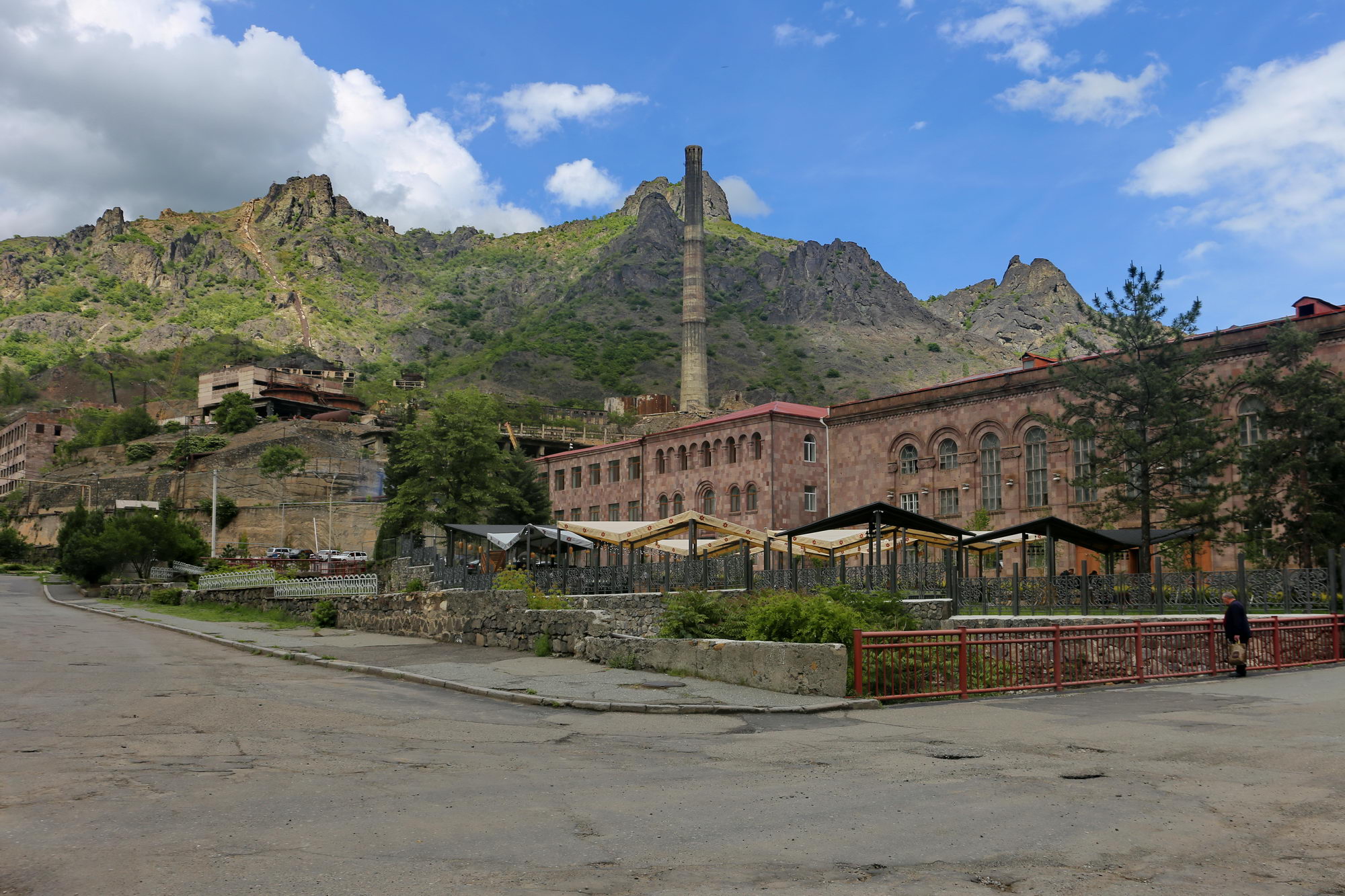
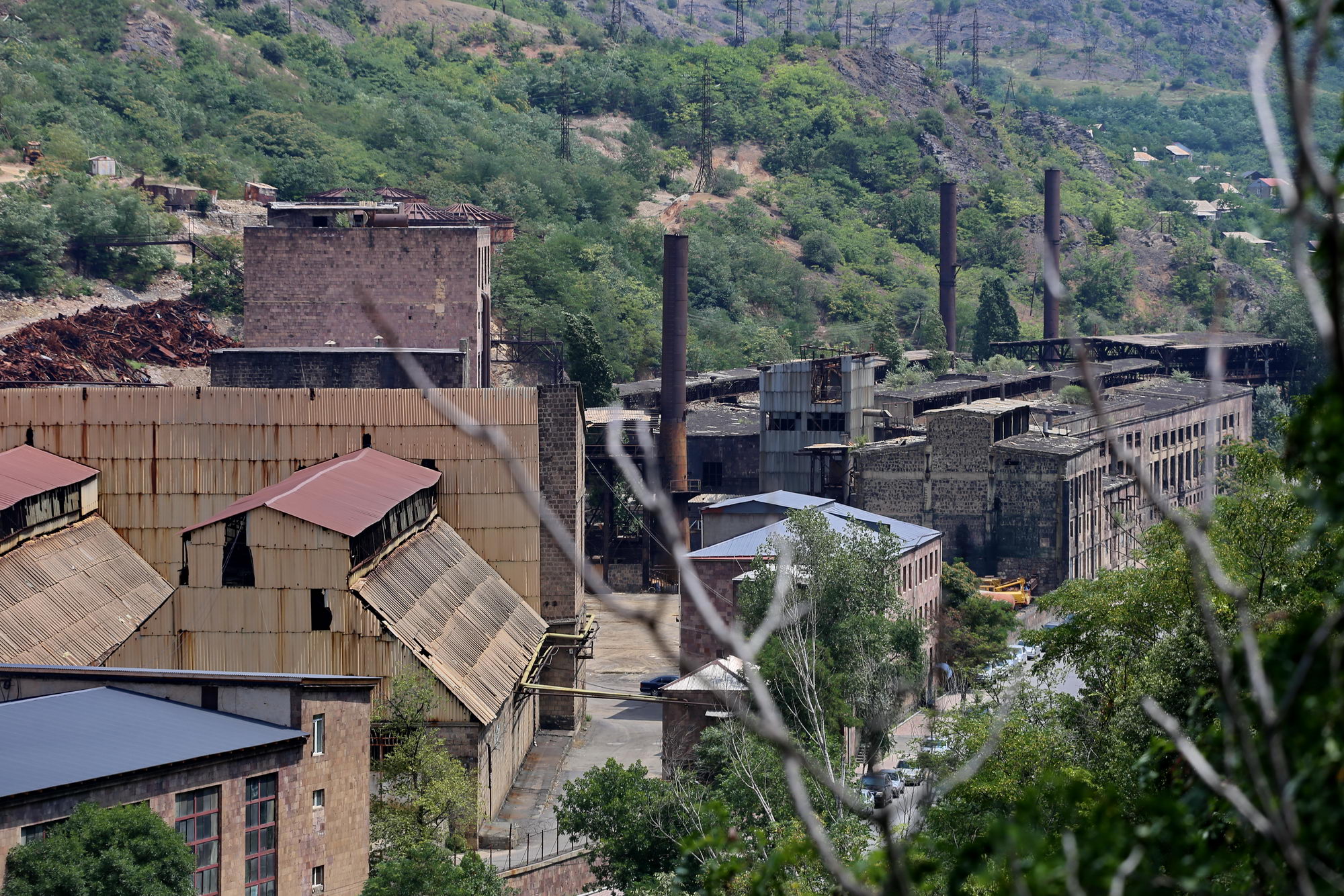
The copper works were founded in 1770 by King Erekle II of Georgia in the province of Lori, which at the time belonged to the Kingdom of Georgia. Around 800 Pontic Greek craftsmen and their families were resettled here to operate the mines and smelter. The Greeks remained a close-knit community in the nearby village of Madan until the collapse of the Soviet Union, when almost all of them emigrated to Greece. Production expanded rapidly thanks to Russian and French investment during the nineteenth century and reached its peak under Soviet rule between 1930 and 1980. Contemporary photographs even show the Debed River, which flows through the town, running red because of the pollution.
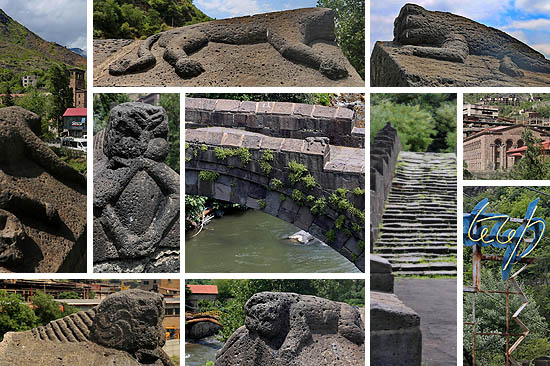
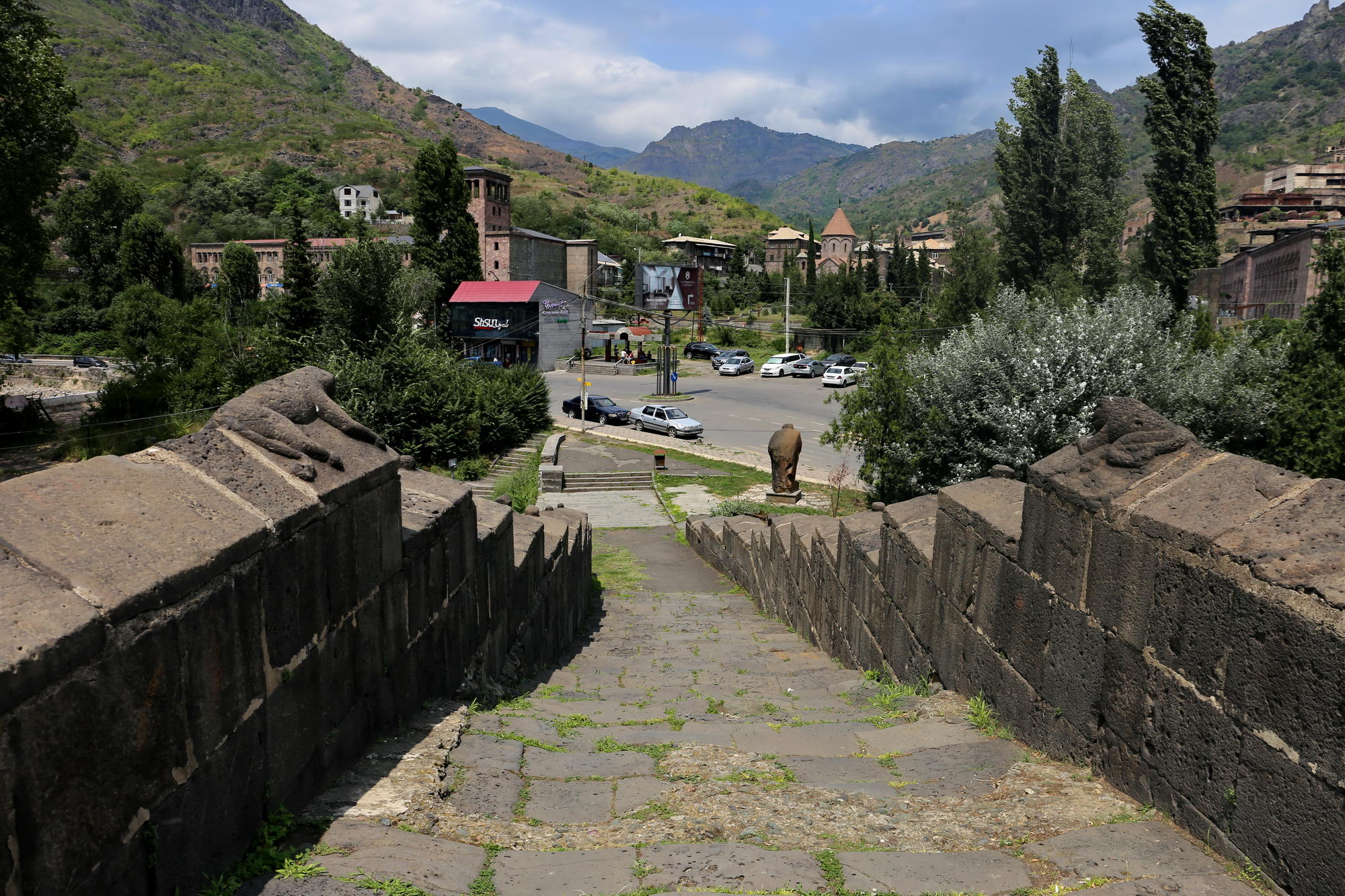
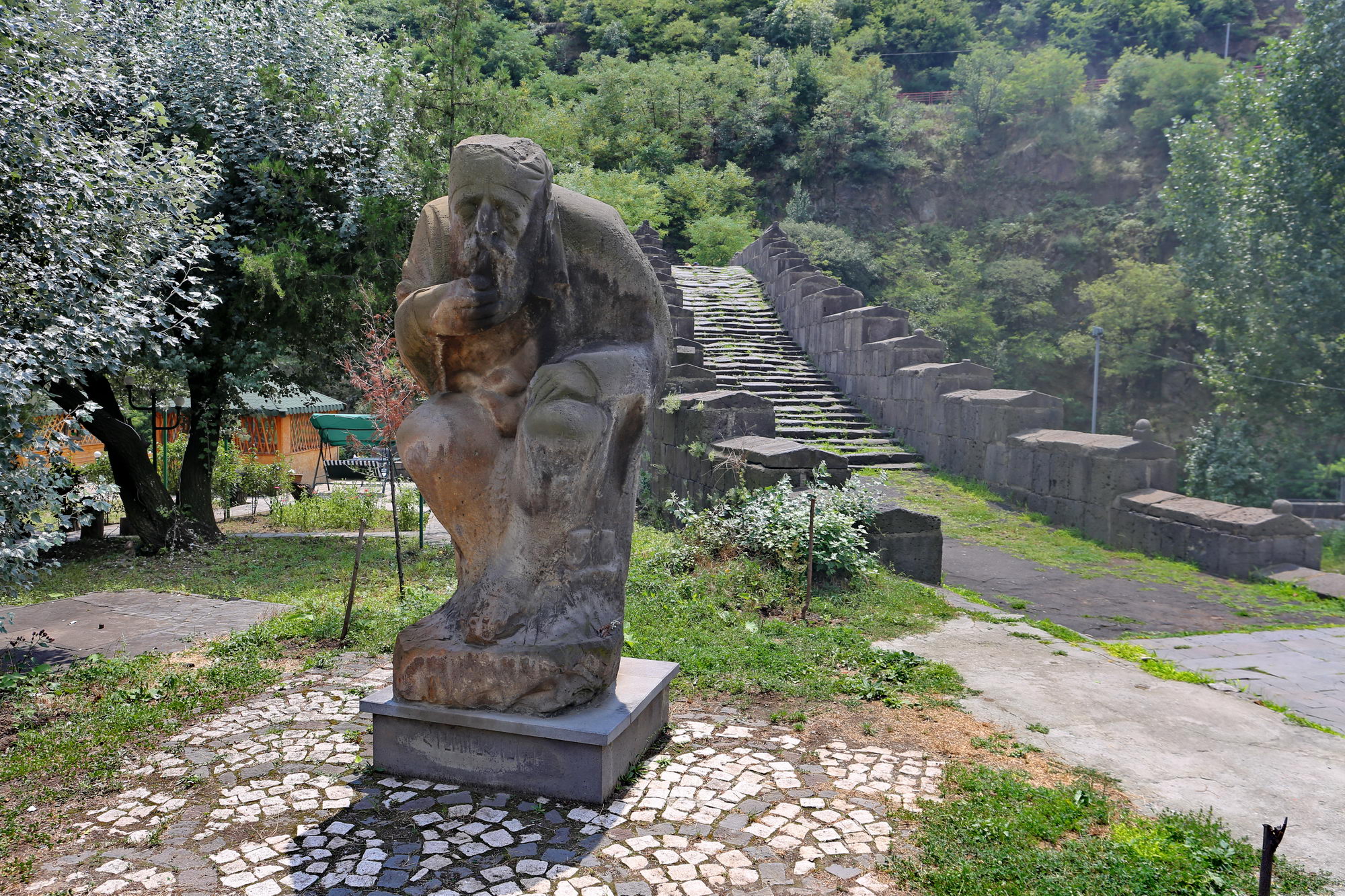 The bridge over the river was built in 1195 for pilgrims travelling to Sanahin Monastery on the mountain opposite.
Sulphur dioxide and other toxic gases released into the atmosphere by the smelter destroyed the surrounding forests and caused serious health problems for the town's inhabitants. As the environmental crisis worsened, the plant was finally closed in 2018, eliminating hundreds of jobs. Of the town's peak population of 26,000, only around 11,000 remain today. Many have neither employment nor the means to move elsewhere. Some have turned to fruit growing and beekeeping on the outskirts of town in an effort to make a living. The surrounding area is home to thousand-year-old UNESCO-listed monasteries and impressive natural attractions, offering hope that tourism may eventually revive the local economy. For the time being, however, Alaverdi's urban tourism is driven primarily by urbex enthusiasts. For many of those who stayed behind, especially the elderly, remittances sent home by relatives who emigrated have become the most important source of income.
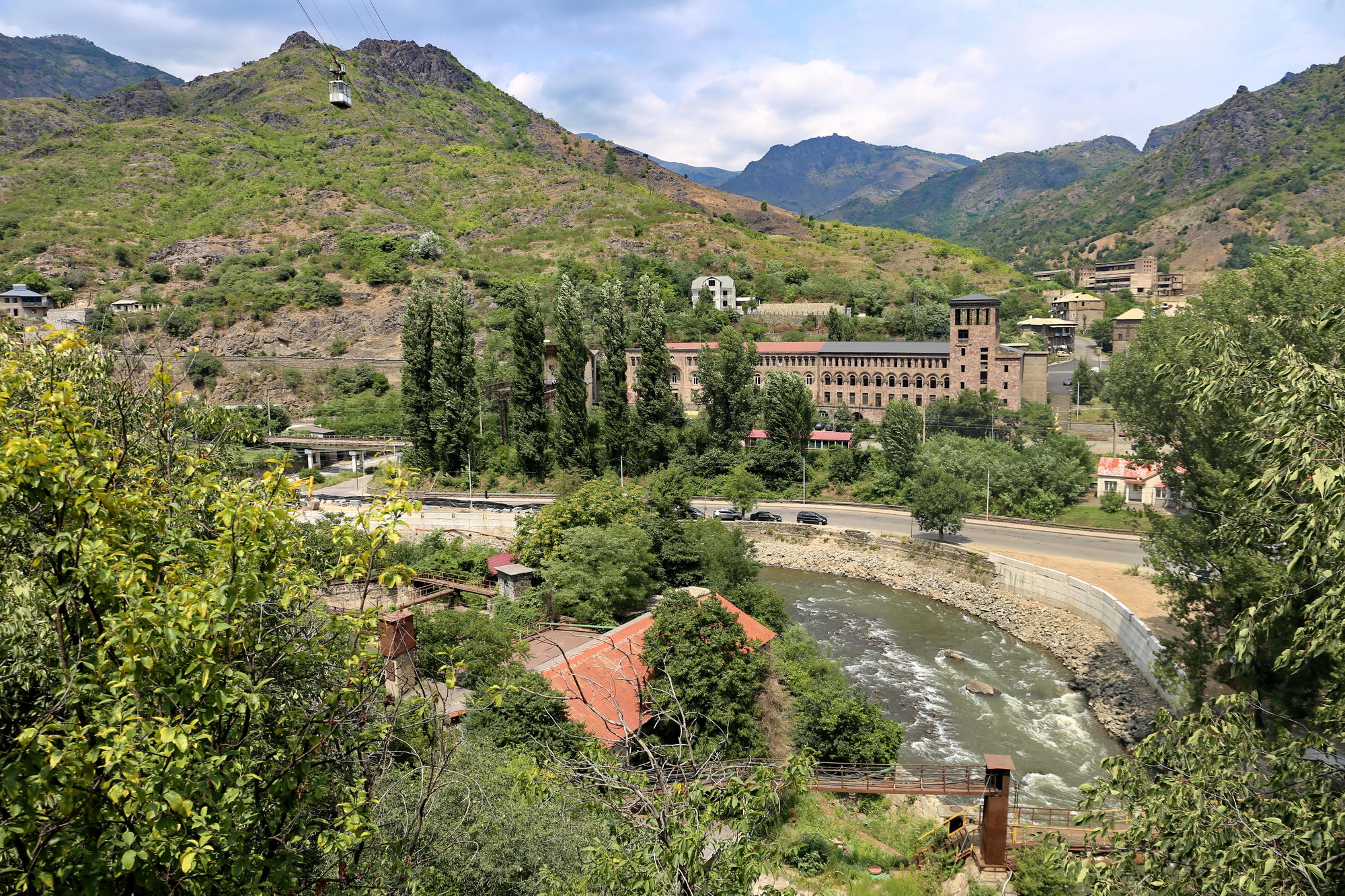
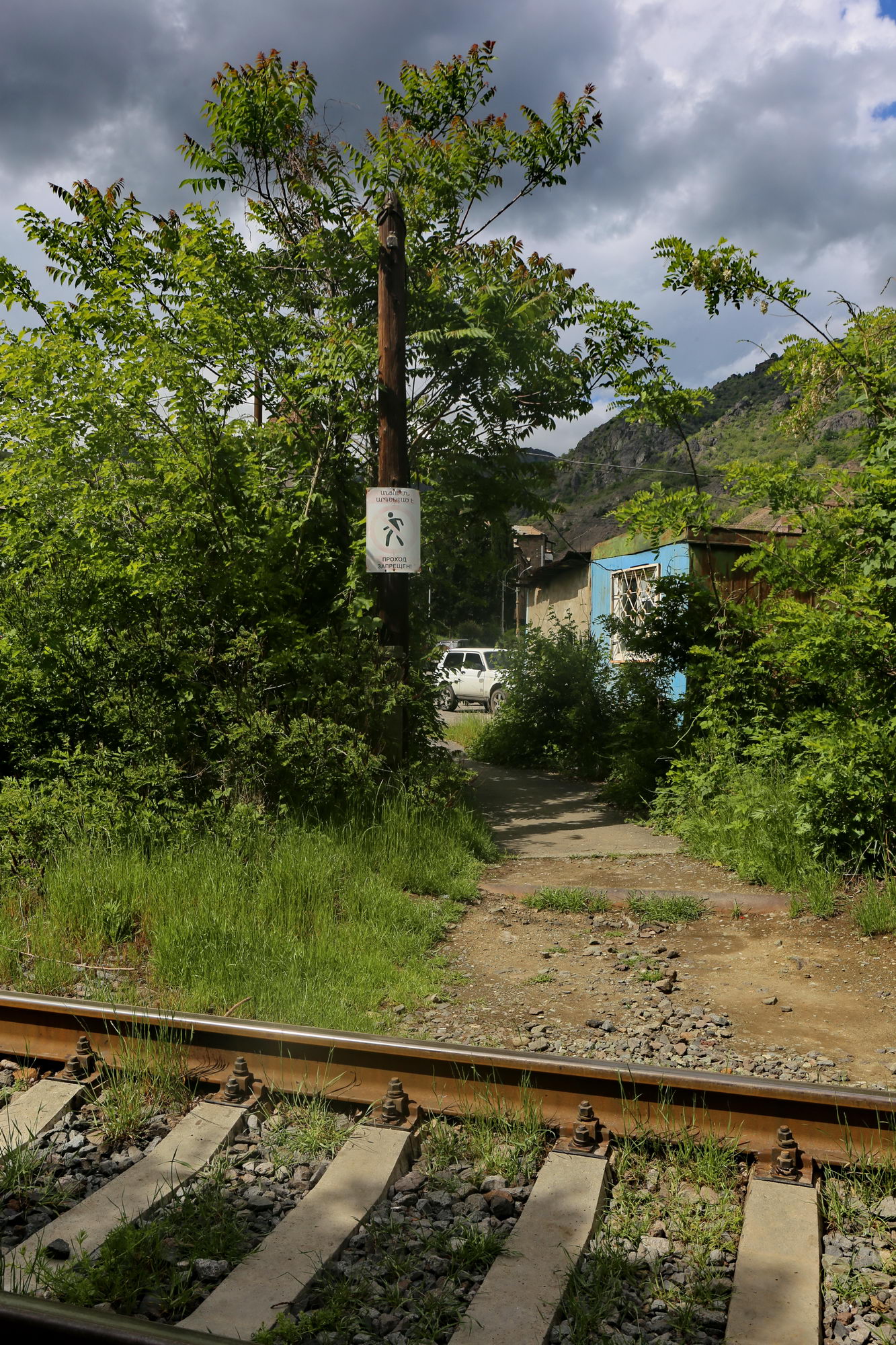
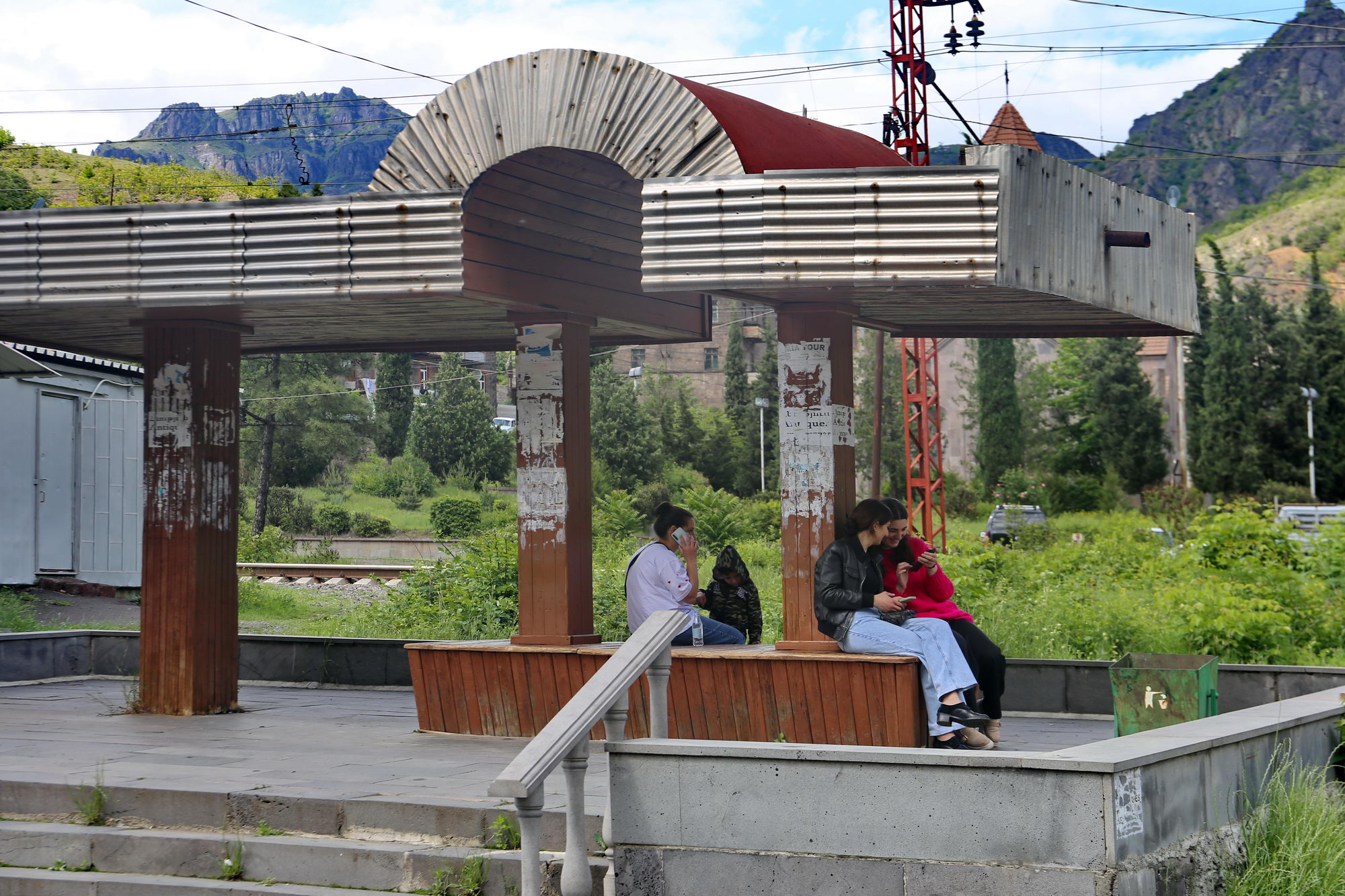
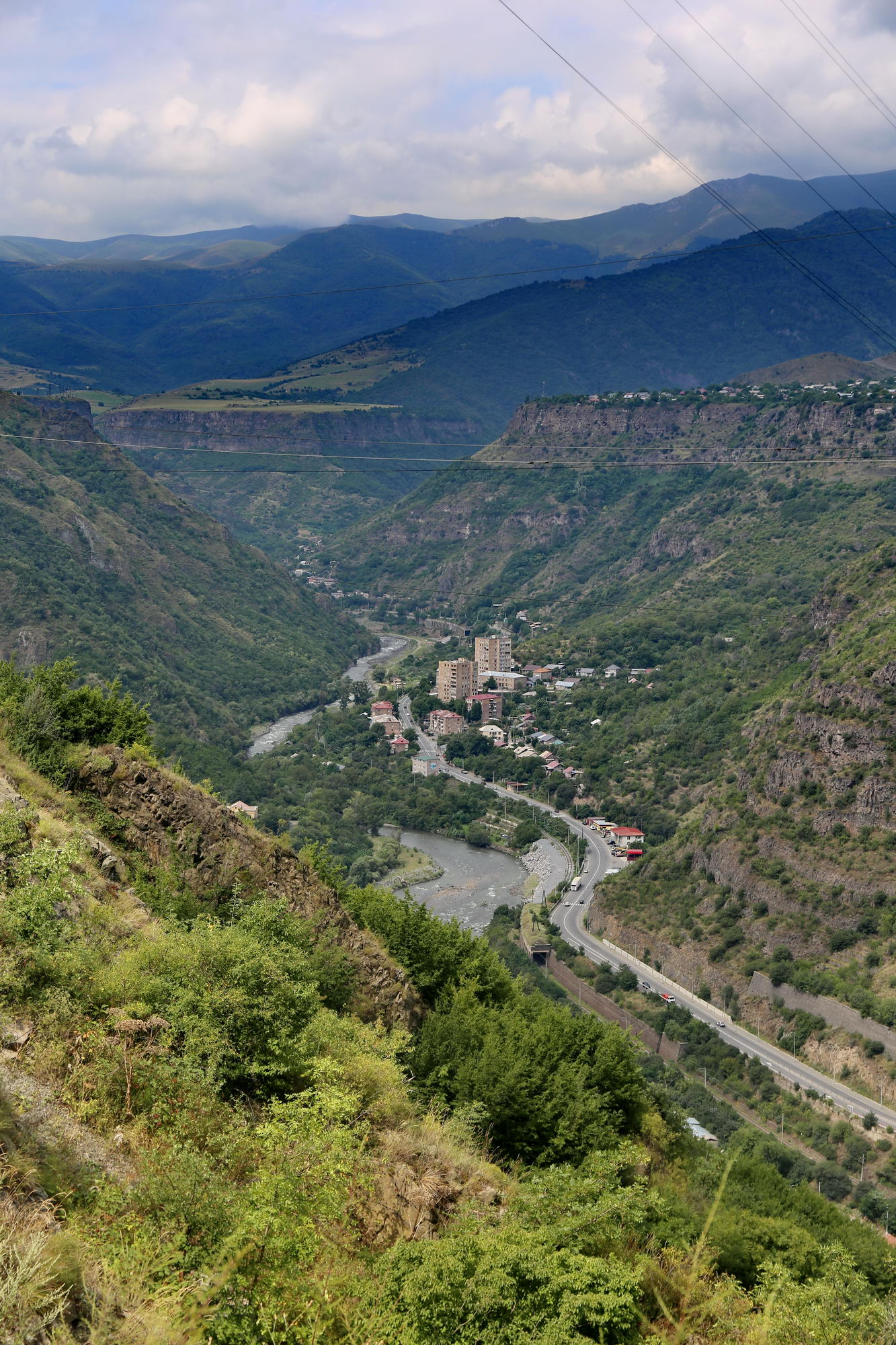
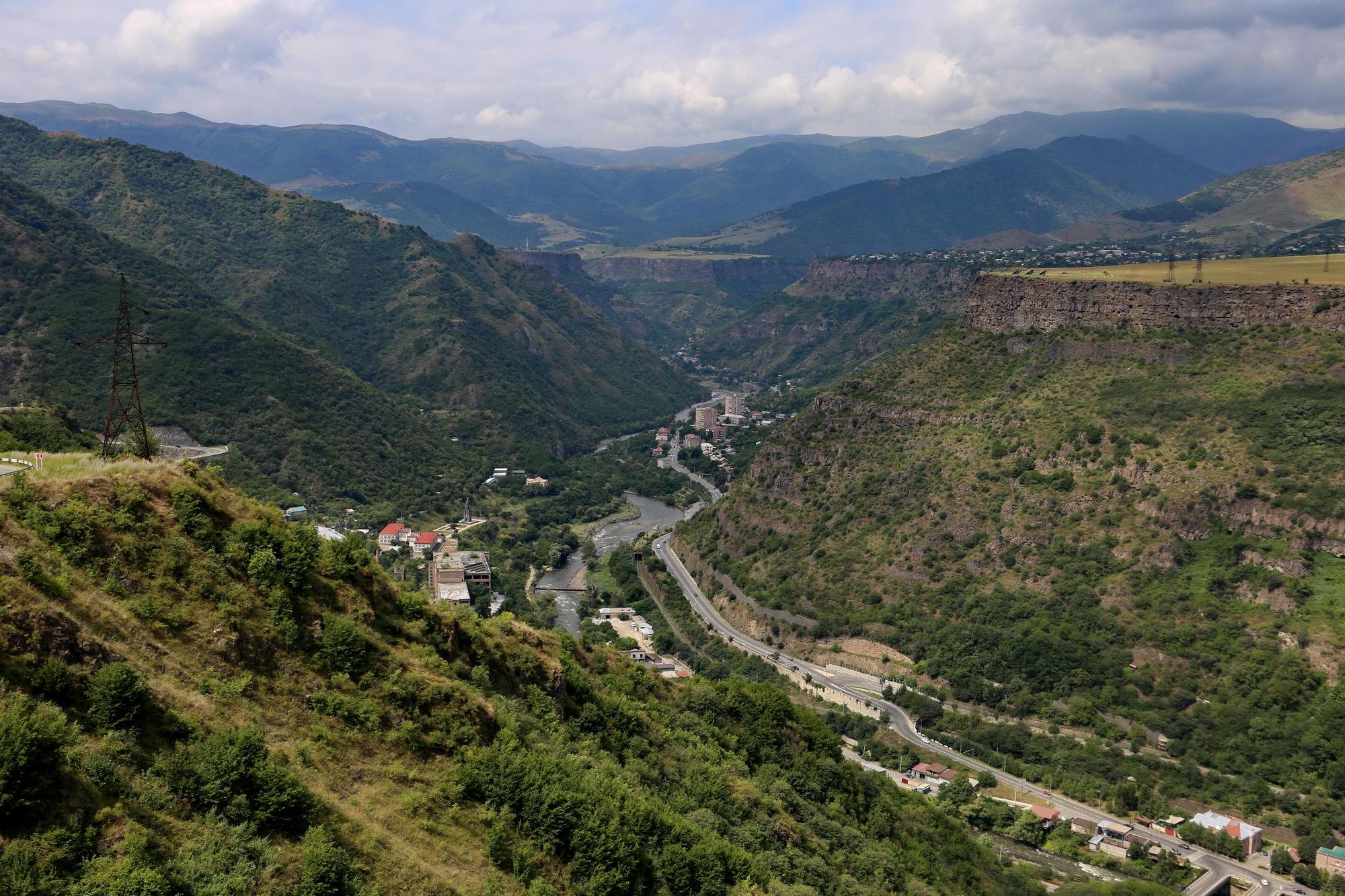
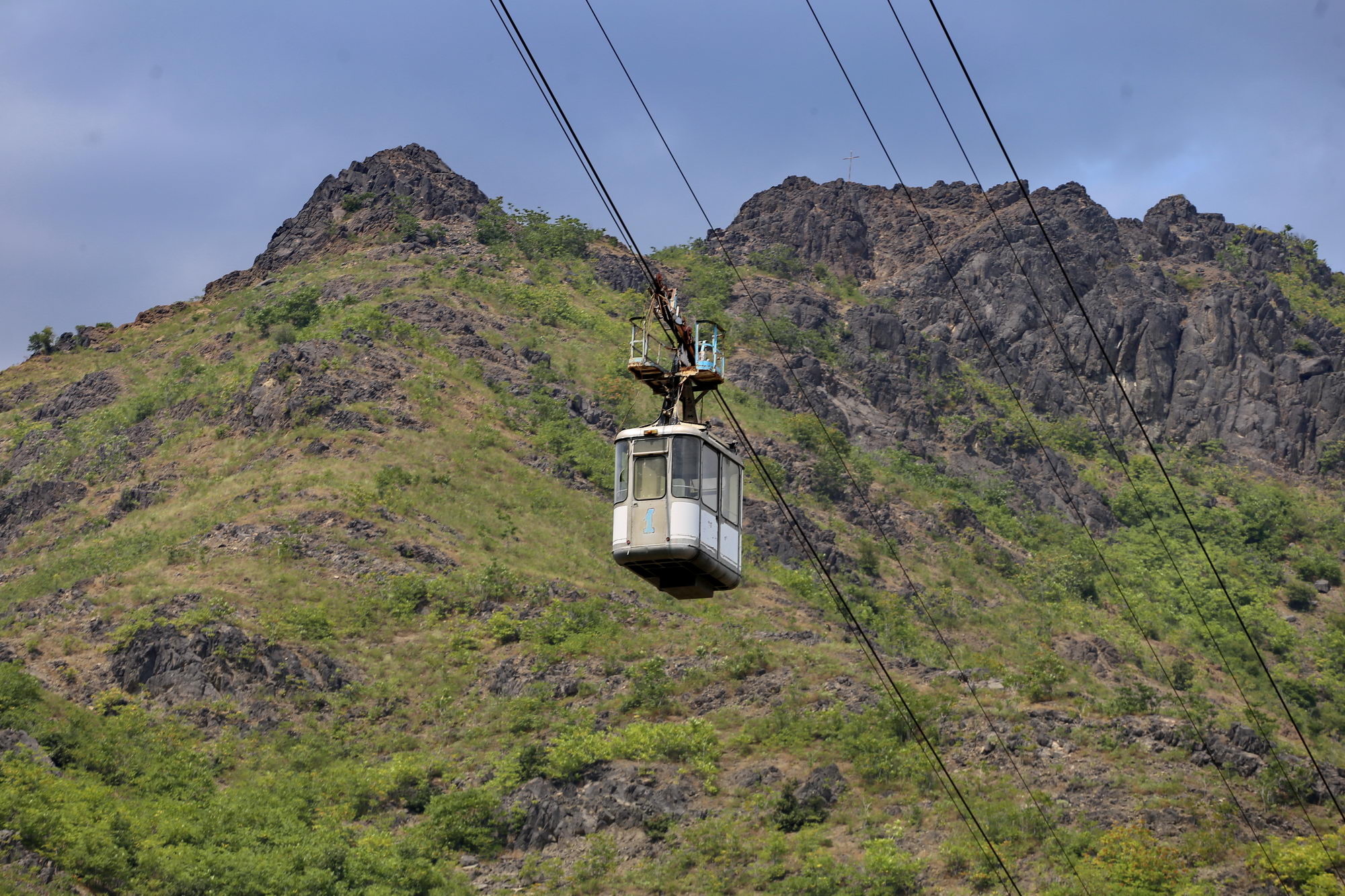
The cable car, opened in 1977 to connect the Sanahin-Sarahart housing estate on the rim of the canyon with the smelter and the town centre on the valley floor, was closed in 2016 because of ageing infrastructure and the lack of funds for maintenance. The two cabins have remained suspended in mid-air ever since.
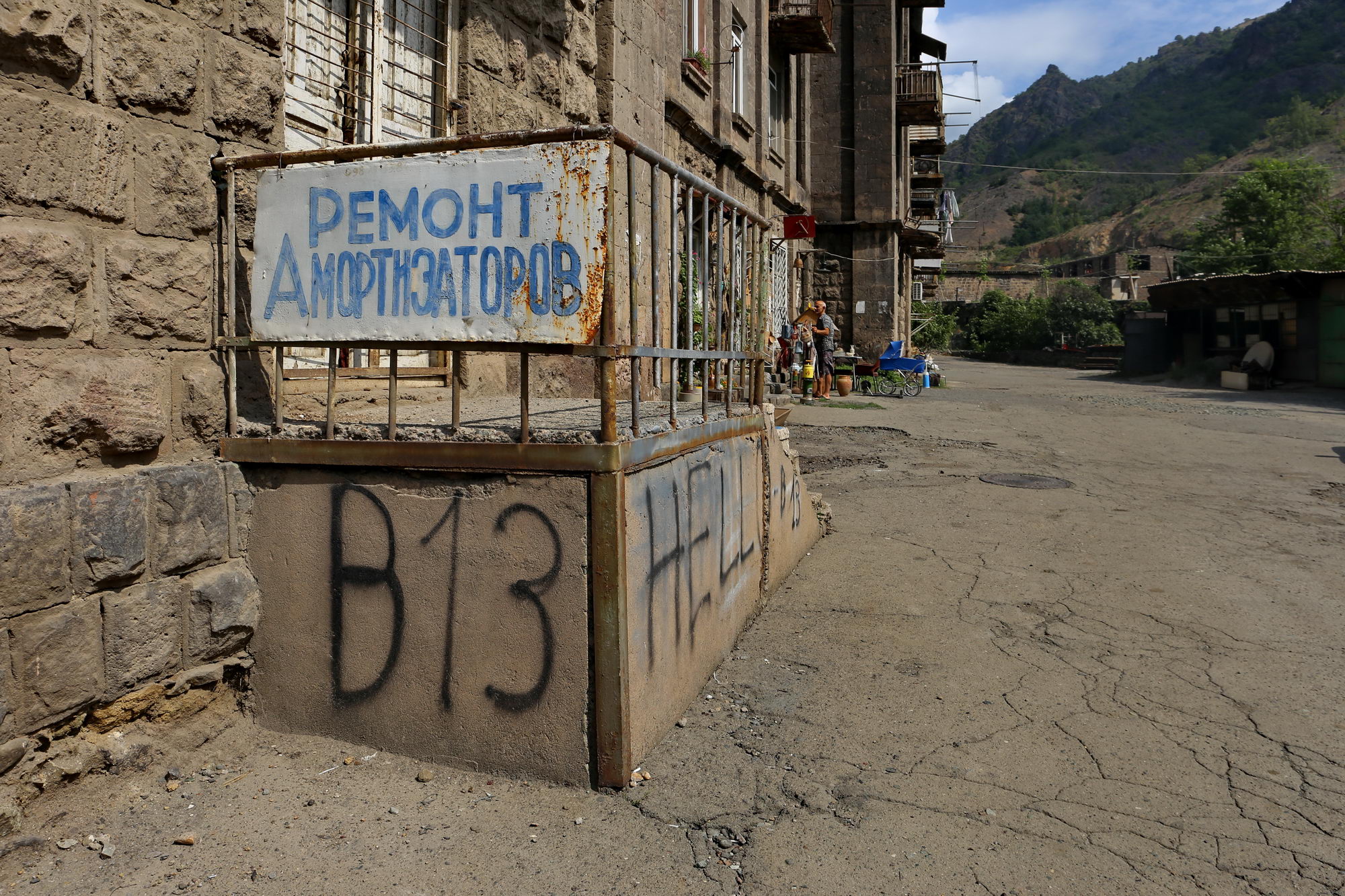
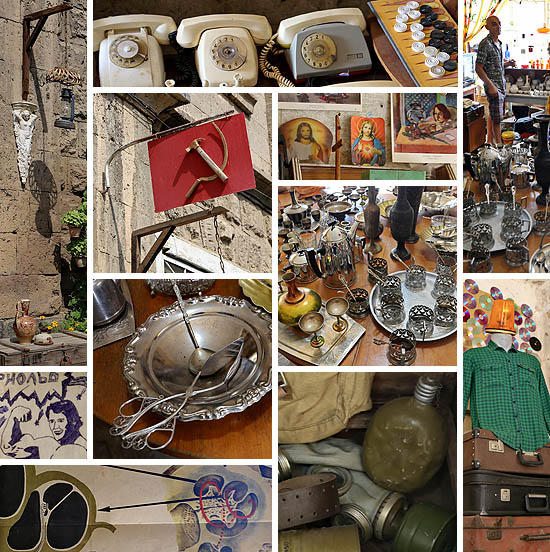
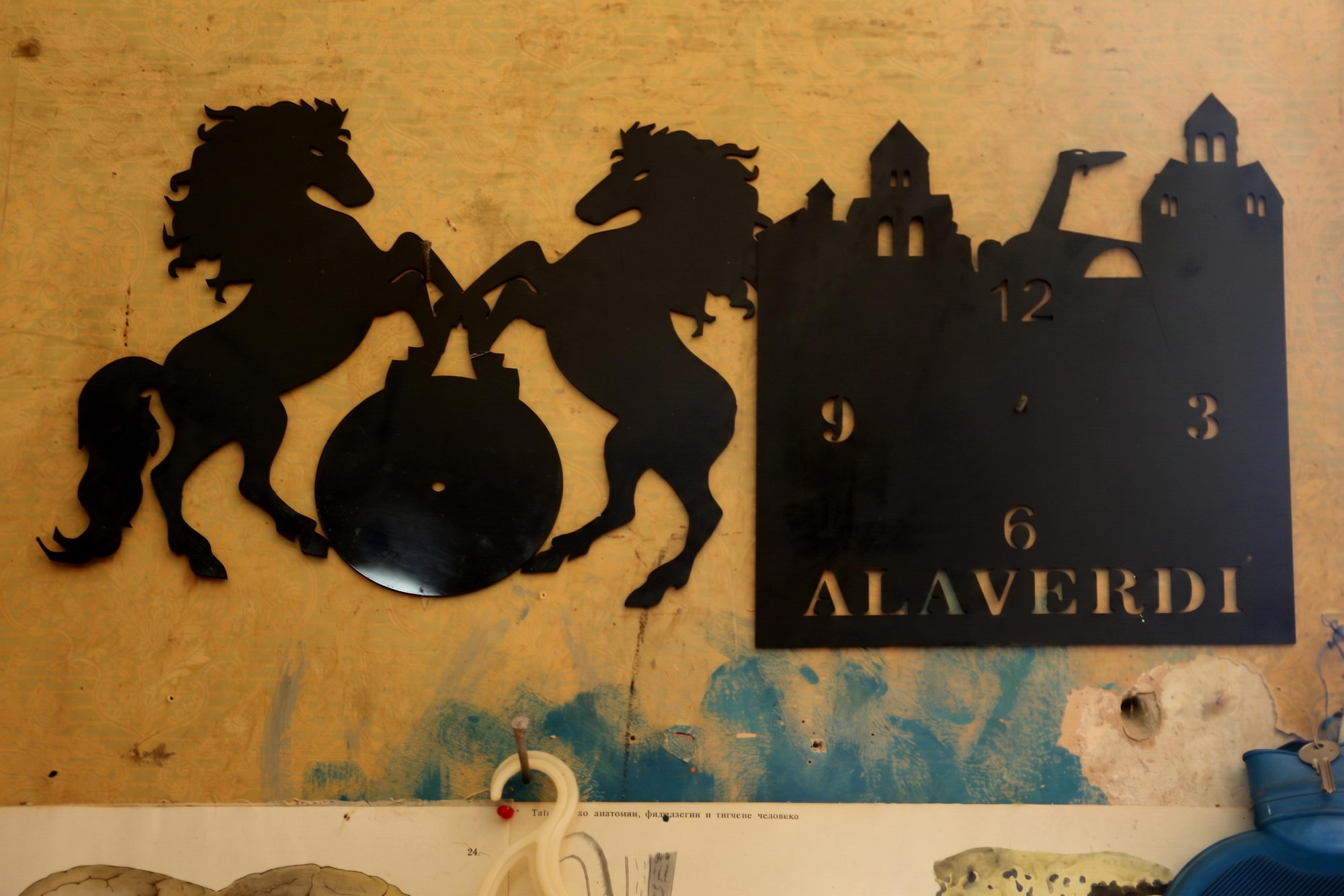
Wandering through the dilapidated housing estate surrounding the smelter, we stumble upon an unexpected business: an antique shop. Its stock clearly consists of retro objects left behind by those who moved away—household items from the Soviet era, once-prized manufactured goods, and tableware carefully preserved as the last remnants of a vanished bourgeois culture. The very existence of the shop suggests that there is now a sizeable customer base for precisely these objects: disaster tourists curious about the frozen-in-time world of Alaverdi and eager to take home a souvenir from it.


Add comment